Why Health Insurance is Essential: Protect Your Future Health and Finances.

When it comes to your health, being prepared is crucial. No one can predict when an illness or injury might strike, but having health insurance is a necessary step to safeguard your Future health and finances. In this blog post, we will explore why health insurance is essential for everyone, except for a very select few, and how it can provide you with peace of mind and financial protection.

1. Unpredictability of Health Issues

Life can be unpredictable, and at any point in time, you or your loved ones may face health challenges that require medical attention. Whether it’s an unexpected illness or a serious injury, medical bills can accumulate quickly and put a strain on your finances. Fortunately, having health insurance can help you stay protected against unexpected healthcare costs by providing coverage for treatments, hospital stays, and medications.

2. Affordability of Care

Without health insurance, healthcare expenses can be overwhelming. A single hospital visit can lead to significant financial strain. Health insurance ensures that you can access medical care without the fear of exorbitant bills, allowing you to focus on your recovery instead of worrying about the cost.

3. Preventive Care and Early Detection

Health insurance not only covers unexpected medical emergencies but also provides access to preventive care services such as regular check-ups, screenings, and vaccinations. Early detection of health issues can lead to more effective treatment and better outcomes, ultimately saving you time, money, and stress.

4. Peace of Mind for You and Your Family

Knowing that you have health insurance in place can offer you and your loved ones peace of mind. You can rest assured that you’re prepared for any health-related challenges that may come your way and that your family won’t have to face the financial burden of unexpected medical bills.

5. Insurance Coverage Could Be Hard to Get Later

Insurance companies may hesitate to provide coverage if you wait until a health issue arises. It’s essential to secure health insurance when you are healthy to avoid facing denials or high premiums later on due to pre-existing conditions.

6. Choose the Right Plan for Your Needs

Health insurance isn’t one-size-fits-all. It’s important to choose a plan that suits your needs, lifestyle, and budget. Whether you opt for a comprehensive plan or a high-deductible plan with lower premiums, make sure you understand the benefits and limitations of your coverage.

Conclusion

While there are a few exceptional cases where health insurance might not be necessary, most people benefit significantly from having health insurance. From providing access to quality medical care to protecting your financial future, health insurance is an investment in your well-being. Don’t wait for a health emergency to strike – Get health insurance today and secure your future health and peace of mind.

Are you ready to jump on the infrastructure fund wave?


India’s infrastructure scene is booming, with a record-breaking budget of over ₹11 lakh crore set aside for growth in FY25. This has naturally caught the attention of investors looking to cash in on this exciting sector. Infrastructure mutual funds could be a great way to ride this wave, but let’s take a closer look before you dive in.

Where do infrastructure funds invest?

We’re talking about more than just roads and bridges! Infrastructure funds spread their investments across diverse sectors like transportation, energy, water and sanitation, communications, and social and commercial infrastructure. It’s a broad play that captures a lot.

How many infrastructure funds are there?

Currently, there are 16 sectoral and thematic infrastructure funds in the game. Two are passively managed and track the Nifty Infrastructure Total Returns Index (TRI). The rest are actively managed and benchmarked against the Nifty Infrastructure TRI and the BSE India Infrastructure TRI.

What are the risks involved?

  1. The Theme may be loosely defined: Fund managers might invest in sectors only loosely related to infrastructure (think automobiles, financials, capital goods). This means some funds might hold less than 10% in pure infrastructure companies, making them misleading.

  2. High capital intensityInfrastructure-heavy sectors require significant capital investments and often operate on thin profit margins with high levels of debt, which can make them vulnerable to defaults.

Past Performance:


What You Need to Know

The past performance of infrastructure funds doesn’t always paint a clear picture. Why? Because these funds don’t stick exclusively to companies deeply rooted in the infrastructure theme. Four out of the top five funds (in terms of assets under management) had significant investments in sectors that are not strictly part of the broad infrastructure space over the last five years.

When you compare their performance with the S&P BSE 500 Total Returns Index (TRI), you’ll see that these funds have mostly underperformed over the last 10 years. The performance gap was even wider in the previous decade (2004-2014)


What’s the takeaway?

Some infrastructure funds may not give you the returns you expect, especially if they’re straying from core infrastructure investments. Make sure to look closely at the fund’s allocation and past performance before making any decisions.


What should you do?

  1. Know your risk appetite: Infrastructure sectors can be cyclical and volatile. Make sure your investment aligns with your goals and comfort level.

  2. Watch out for high debt: Ancillary sectors like aviation, real estate, and power often carry heavy debt and financial stress.

  3. Be wary of diversification: Fund managers might include loosely related companies to balance out the portfolio, which can dilute the fund’s thematic focus.

  4. High concentration warning: Sectoral and thematic funds come with higher risk due to focus on a single sector. Proceed with caution.

While the idea of investing in infrastructure can be appealing, it is important to assess the risks and challenges. Ensure that the fund aligns with your investment strategy and risk tolerance. By investing wisely, your returns will thank you!

Active Funds Vs Passive Funds: Which Investment Strategy is for You?

When it comes to investing, the debate between active and passive funds is a hot topic. Let’s break down the differences between these two investment strategies and help you decide which one aligns with your financial goals.

Understanding Passive Funds


What Are Passive Funds?


Passive funds track a specific market index, such as the Nifty. The fund manager follows the index’s performance with minimal intervention. This approach is cost-effective and provides consistent returns mirroring the index.

Benefits of Passive Funds

 
  1. Low Fees: Minimal management fees mean more of your money stays invested.
  2. Predictable Returns: Your returns closely match the performance of the index.
  3. Diversification: Investing in a broad market index spreads your risk.

Exploring Active Funds


What Are Active Funds?


Active funds involve a skilled fund manager who uses research and expertise to outperform the market index. These funds aim for higher returns by selecting investments that they believe will outperform the market.

Benefits of Active Funds

 
  1. Potential for Higher Returns: A skilled manager can generate returns above the benchmark index.
  2. Flexible Strategy: Fund managers can adapt their strategy based on market conditions.
  3. Specialized Focus: Active funds often focus on specific sectors or themes.

Active vs Passive funds: What to choose?


The decision between active and passive funds depends on your investment goals, risk tolerance, Financial Knowledge, how much time you can dedicate to managing your investments, and your Investing behavior. Here are some considerations:


  • For Active Investors: If you’re comfortable with taking on higher risk for the potential of greater returns and you value the expertise of a professional fund manager, active funds may be the right choice for you.

  • For Passive Investors: If you prefer a low-cost, low-maintenance option that tracks the market, passive funds offer simplicity and consistency.

  • A Balanced Approach: Combining both active and passive funds can provide diversification and help you manage risk while still benefiting from potential opportunities.

Conclusion

Ultimately, The choices between active and passive funds hinge on your financial situation, goals, and investment philosophy. Both types of funds have their own merits, and the best choice depends on your Personal Financial goals, risk tolerance, and investment timeline.


  1. Active investing offers the potential for higher returns and dynamic adjustments to changing market conditions. Skilled fund managers actively seek out investment opportunities, but this approach may come with higher costs and risks.
  2. Passive investing provides a low-cost, low-risk strategy that mirrors market performance. This approach is well-suited for investors seeking steady, consistent returns without any need for constant oversight.

The objective is not to save on management fees but to earn more rewards. So, In Passive Funds, the management fee is less, but the rewards are restricted to a benchmark, and In Active Funds, even after paying a higher management fee, the rewards are higher than the benchmark. 


To make the most of your investment journey, you can consider a mix of both active and passive funds in your portfolio, which will help you balance the risk and potential returns. It is essential to conduct thorough research and seek advice from a Financial advisor to determine the most suitable approach for your specific financial situation.

Happy Investing !!

Are you missing SIP Installment?

Missed an SIP Installment ? Here's What You Need to Know !

  • Did you just miss a SIP installment and wonder what that means for your investments? Don’t stress! Let’s walk through the details so you can stay on top of your investment game.

Good News: No Penalty from Mutual Funds

First things: Your mutual fund company won’t charge you for missing a SIP installment. You have the freedom to choose how and when you invest your money. Take a deep breath and relax!

Watch Out for Bank Penalties

It’s important to note that some banks may charge a fee for SIP rejection, which can range from Rs.250 to Rs.750 per rejection. While the mutual fund company may let you off the hook, it’s still best to stay on top of your payments to avoid any additional charges.

Don’t worry, we can walk through the details together so you can stay on top of your investment game.

Consecutive Rejections Can Halt Your SIP

Be careful! If your SIP gets rejected three times in a row, the mutual fund company might stop your SIP automatically. That could throw off your investment plans, so be mindful of consecutive rejections.

Here is the Solution

1. Reschedule your SIP Date.

  1. Make your SIP payment within the first 2-3 days after your salary date. This way, your bank accounts will be funded on the ECS date and you will prioritize your investments over spending.
  2. You can also choose a common date for all your SIPs. This will help you to remember your ECS dates resulting in fewer rejections.


2. Consolidate your SIP.

Instead of several SIPs of small amounts. Go for 2-3 SIPs of bigger amounts. This will be easier to remember and by any chance, if your accounts are dry you will have only 2-3 rejections.


3. Review your SIP amount.

Don’t have a big Investment obligation every month which does not suit your pocket. if you find it challenging to honor all your SIPs review the amount and lower your monthly rejection.

4. Pause Your SIP When Needed

Here’s a smart tip: If you see financial trouble ahead and don’t think you can invest in your SIPs for the next 2-3 months, Pause it instead of missing installments. This way, you avoid bank penalties and keep your investment journey smooth.

Share this information !

  • If you know someone whose SIP is being rejected regularly, be sure to share this information with them.  By knowing their options and understanding the consequences of missing payments, they can make informed decisions about their investments.
  • Stay on top of your SIP installments, and remember that pausing your SIP is a smart alternative if you foresee any financial challenges. 

Happy Investing !!

Tax evasion vs tax avoidance: How are the two different?


Tax evasion and tax avoidance are distinct concepts, despite both aiming to minimise tax payments. Tax planning and avoidance employ legal strategies, whereas tax evasion is unlawful and can result in severe penalties.


Interpreting tax evasion


Tax evasion relies on deliberately deceiving tax authorities. This deceit can manifest in various ways, including:


  • Concealing income: Not disclosing all sources of earnings, such as cash received from a side business or unreported interest from investments.


  • Exaggerating deductions: Asserting deductions for costs that aren’t valid business expenses or claiming personal deductions for which you don’t qualify.


  • Submitting fraudulent tax returns: Filing a tax return with intentionally inaccurate information.


These deceitful actions are intended to unlawfully decrease a taxpayer’s tax obligation.


Section 276C of the Income Tax Act is the primary provision addressing tax evasion in India. This section specifies the penalties for individuals intentionally trying to evade taxes, which can range from imprisonment to fines. The magnitude of the penalty is determined by the amount of tax evaded. Additionally, tax evasion can result in legal complications under the Prevention of Money Laundering Act (PMLA), especially, when income concealment occurs through illicit methods.


Understanding tax avoidance


Tax avoidance centres on using legitimate strategies to reduce your tax liability. It utilises the structure of tax laws to your benefit. Section 80C of the Income Tax Act serves as an ideal illustration, permitting deductions for certain investments and promoting tax-efficient planning. As long as your approaches adhere to the Income Tax Act and avoid any fraudulent actions, tax avoidance is entirely legal and acceptable.


Some common tax avoidance strategies include:


  • Optimising deductions: This entails claiming all the deductions permitted under the Income Tax Act that you qualify for. Examples include deductions for medical costs, charitable donations, and specific investment expenses.


  • Using tax-advantaged accounts: Investing in retirement accounts such as the Public Provident Fund (PPF) or the National Pension System (NPS) enables deductions from your taxable income.


  • Benefiting from tax credits: Some tax credits, such as education credits, can directly decrease the tax amount you owe.


Tax avoidance, although legal, can present a complex issue with ethical implications. Here’s why:


  • Equity: Some contend that aggressive tax avoidance tactics, especially by large corporations or affluent individuals, can compromise the fairness of the tax system. They advocate for everyone to contribute equitably to support public services.


  • Intent vs literal interpretation of the law: Tax avoidance frequently utilises legal loopholes or capitalises on technical aspects of the law. While permissible, it may be viewed as unethical when it contradicts the intended purpose or spirit of the law.


  • Societal consequences: Diminished tax revenue resulting from widespread avoidance can curtail the government’s capacity to finance crucial social programs and infrastructure.


Globalisation has paved the way for international tax planning, which can be an intricate yet lawful strategy for multinational corporations. Here’s how international tax planning plays a role in tax avoidance:


  • Tax treaties: These are agreements between nations designed to prevent double taxation and tax evasion. Companies can utilise these treaties to manage tax implications when operating across borders.


  • Transfer pricing: This pertains to the pricing of goods and services exchanged between related companies in various countries. Companies can employ transfer pricing tactics to allocate profits to jurisdictions with lower taxes, thereby lowering their overall tax liability.

It’s crucial to differentiate between tax avoidance, which utilises legal methods to reduce tax liabilities, and tax evasion, which involves intentionally deceiving tax authorities. Tax evasion is prohibited under Section 276C of the Income Tax Act and could activate provisions of the PMLA. Tax avoidance or tax planning, when carried out within legal limits, is acceptable.


Source- Livemint

Can cyber insurance help secure business?


I am an entrepreneur and engage in online transactions on a daily basis. I want to protect my data and secure my business. Does a cyber insurance policy help mitigate financial losses in case of any cyber attacks?

—Name withheld on request


In today’s digitally interconnected world, our reliance on online transactions for personal and business purposes exposes us to increasing cyber threats. As an entrepreneur dealing with multiple online transactions, your concerns are valid. Safeguarding this private and sensitive data is imperative. A cyber insurance policy will help mitigate financial losses as it’s an effective risk management strategy in case of a security breach.


Cyber insurance is tailored for both individuals and businesses, provided through distinct policies to safeguard against the financial consequences of cyber incidents. Individual policies cover threats like identity theft, cyber stalking, phishing, and extortion, among many others. For your business needs, cyber insurance coverage includes third-party liability for privacy and data breaches, media liability claims, regulatory fines and penalties, and first-party losses like business interruption and cyber extortion.


Legal expenses that may arise and data restoration costs may also be covered, with some policies extending coverage to crisis communication and IT consultant fees. Hence, I would recommend taking a comprehensive cyber insurance policy for businesses, ensuring financial protection against potential data breaches and related incidents. You will be interested to know, that in scenarios involving cyber extortion or ransomware, a cyber insurance policy is invaluable, covering expenses for negotiators, investigators, ransom payments, and system restoration. Also, comprehensive cyber insurance for businesses compensates for third-party damage, covers legal expenses, and compensates for compromised intellectual property, privacy breaches, and harm to reputation, making it indispensable for navigating the aftermath of a cyber incident.


However, while purchasing a cyber insurance policy, it’s crucial to understand the coverage limits and exclusions. So, make sure you thoroughly review the policy terms and conditions, to ensure adequate coverage for potential risks and alignment with business needs.


Amid the growing cyber threat landscape, a robust cyber insurance policy ensures financial protection and swift recovery, crucial for modern business resilience.


Source- Livemint

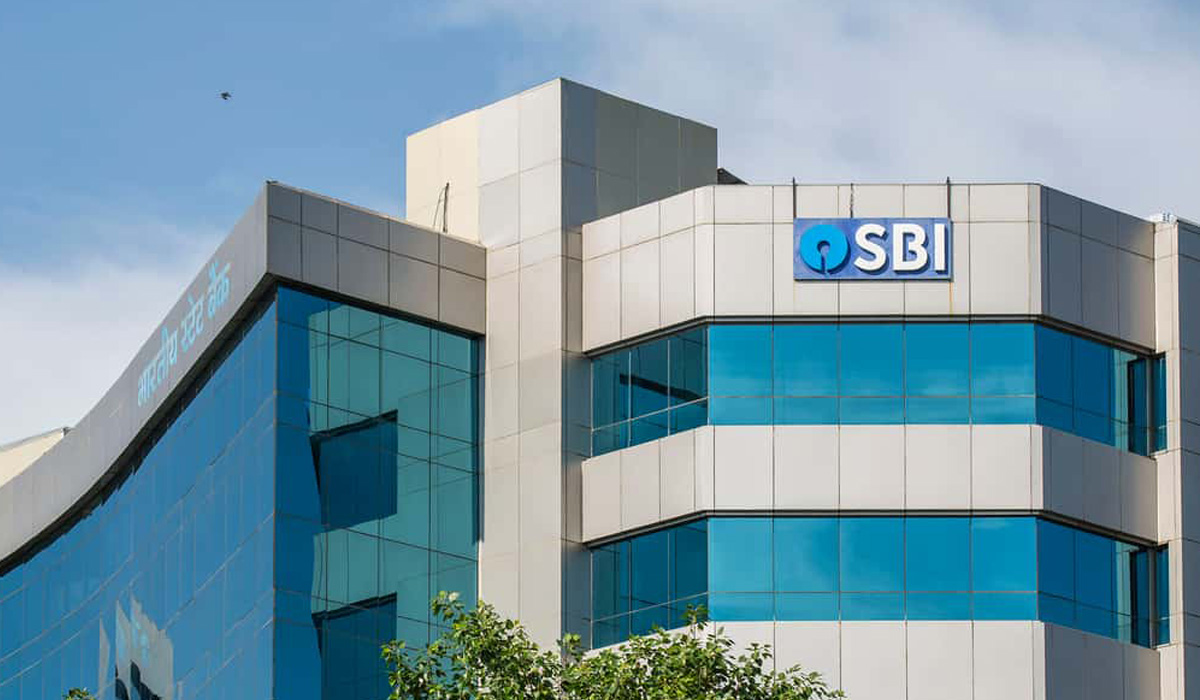
SBI forecasts 15% growth in deposits for FY25; expects RBI rate cut only in Q3FY25


The State Bank of India (SBI) has unveiled expectations of substantial growth in both deposits and credit for the fiscal year 2025. SBI forecasted deposits to grow at a rate of 14.5 per cent-15 per cent and credit to expand between 16.0 per cent-16.5 per cent in FY25, anticipating a surge in economic activity, in a report released on Tuesday.


RBI’s Monetary Policy Committee (MPC) meeting is scheduled from April 3-April 5.


This outlook comes amidst a backdrop of sustained momentum in credit growth, particularly across agriculture, MSME, and services sectors, as revealed by the latest credit growth numbers.


On the banking front, while deposit growth has rebounded, the sustained momentum in credit growth has led to a widening gap between deposits and credit growth.


Data as of March 8 indicates that All Scheduled Commercial Banks’ (ASCBs) credit grew by an impressive 20.41 per cent, up from 15.7 per cent the previous year, while deposits increased by 13.7 per cent, compared to 10.3 per cent in the preceding year.


India’s robust economic performance has also attracted foreign investment inflows, surpassing other Asian markets in March.


Despite geopolitical tensions and concerns over the continuity of a higher interest rate regime, India has emerged as a magnet for foreign funds, defying market expectations.


However, amidst these positive indicators, India stands out as a notable exception in the global economic landscape.


While strong evidence suggests that emerging economy central bank rate actions are typically influenced by advanced economy central bank rate actions, India’s monetary policy trajectory diverges from this trend.


In the United States, structural shifts in the labour market are evident, with the coexistence of low unemployment rates alongside elevated job vacancy rates.


Inflationary pressures, primarily driven by food price dynamics, present additional challenges in the US markets.


Looking ahead, SBI anticipates that the Reserve Bank of India (RBI) might initiate a rate cut cycle in the third quarter of FY25.


However, unlike in other emerging economies where rate cut cycles may be influenced by advanced economy central bank actions, India’s rate cut cycle is expected to be shallow, reflecting the unique economic conditions prevailing in the country.


As stakeholders prepare for the evolving economic landscape, SBI’s projections provide valuable insights into the trajectory of India’s banking sector and monetary policy decisions.


With expectations of robust growth in deposits and credit, coupled with potential rate cuts on the horizon, India remains poised for continued economic resilience and growth in the coming fiscal year.


Source- Economictimes

Has your income tax slab changed from today? Finance Ministry says this


The Finance Ministry has issued a clarification amidst the dissemination of misleading information on social media platforms regarding the new tax regime. It emphasizes that there are no new changes taking effect from April 1, 2024. Taxpayers have the flexibility to choose between the old and new tax regimes based on their preferences and financial circumstances, with the option to opt out of the new regime until filing their return for Assessment Year 2024-25. Eligible individuals without business income can alternate between the old and new regimes for each financial year.


On the social media platform, the Finance Ministry posted: “It has come to notice that misleading information related to the new income tax regime is being spread on some social media platforms. It is therefore clarified that:


1)There is no new change which is coming in from 01.04.2024.


2)The new tax regime under section 115BAC(1A) was introduced in the Finance Act 2023, as compared to the existing old regime (without exemptions) (SEE TABLE BELOW)


3)The new tax regime is applicable for persons other than companies and firms, is applicable as a default regime from the Financial Year 2023-24 and the Assessment Year corresponding to this is AY 2024-25.


4)Under the new tax regime, the tax rates are significantly lower, though the benefit of various exemptions and deductions (other than the standard deduction of Rs. 50,000 from salary and Rs. 15,000 from family pension) is not available, as in the old regime.


5)The new tax regime is the default tax regime, however, taxpayers can choose the tax regime (old or new) that they think is beneficial to them.


6)The option for opting out from the new tax regime is available till the filing of return for the AY 2024-25. Eligible persons without any business income will have the option to choose the regime for each financial year. So, they can choose a new tax regime in one financial year and an old tax regime in another year and vice versa.


Income tax slabs as per the new tax regime are as follows


Income from 0 to 3,00,000: 0% tax rate

Income from 3,00,001 to 6,00,000: 5%

Income from 6,00,001 to 9,00,000: 10%

Income from 9,00,001 to 12,00,000: 15%

Income from 12,00,001 to 15,00,001: 20%

Income above 15,00,000: 30%


Old regime tax slabs


1) Income up to 2.5 is exempt from taxation under the old tax regime.

2) Income between 2.5 to 5 lakh is taxed at the rate of 5 per cent under the old tax regime.

3) Personal income from 5 lakh to 10 lakh is taxed at a rate of 20 per cent in the old regime

4) Under the old regime personal income above 10 lakh is taxed at a rate of 30 per cent.


Source- Livemint

What happens to my ‘regular’ plan units when switching to a ‘direct’ plan?


What will happen to my units with the ‘regular’ plan after I switch to the ‘direct’ plan? Will all units be converted to the direct plan as per the NAV on the switch date or as per the previous SIP dates? – Gajanan G. Khandkar


Switching from a ‘regular’ plan to a ‘direct’ plan in mutual funds is similar to moving your investment from one fund to another. While the money doesn’t move through your bank account, it is treated as selling your units in the regular plan and buying new ones in the direct plan. This means you will have to pay capital gains tax and perhaps an exit load.


But do remember that when switching funds, while the investment value stays the same, the number of units might change due to the different NAVs of the ‘regular’ and ‘direct’ plans. Let’s simplify this by giving you an example: Say the NAV of the ‘regular’ plan is Rs 10, and you hold 10,000 units. Your total investment in the ‘regular’ plan would be Rs 1 lakh (10,000 x Rs 10).


Now, let’s assume that on the date of switching, the NAV of the ‘direct’ plan is Rs 11. In this case, while the investment amount of Rs 1 lakh remains the same, the number of units allotted to you will be slightly different. It will be 8,333.33 units (Rs 1 lakh divided by Rs 11).


Source- Valueresearchonline

India’s retail inflation to remain above 5% till May: SBI Research report


India’s retail inflation gauged by the Consumer Price Index (CPI) is expected to remain slightly above 5 per cent till May before declining towards 3 per cent in July, according to SBI Research. The retail inflation print is expected to stay below 5 per cent beginning November till the end of the financial year 2024-25.


Retail inflation in India eased a tad in February to 5.09 per cent from 5.10 per cent the prior month, due to the deceleration of prices in all categories except food.


Within food inflation, protein items (meat, egg) inflation increased exorbitantly (in the range of 400-500 basis points) in February month as compared to January.


Vegetable prices also increased month-on-month by 300 basis points to 30.2 per cent. Core CPI declined to 3.37% – a 52-month low and reached the level of Oct-19.


The retail inflation was at a four-month high of 5.69 per cent in December.


The retail inflation in India though is in RBI’s 2-6 per cent comfort level but is above the ideal 4 per cent scenario.


Barring the recent pauses, the RBI has raised the repo rate by 250 basis points cumulatively to 6.5 per cent since May 2022 in the fight against inflation. Raising interest rates is a monetary policy instrument that typically helps suppress demand in the economy, thereby helping the inflation rate decline.


At the latest monetary policy meeting, the RBI pegged India’s retail inflation projections for 2024-25 at 4.5 per cent, with Q1 at 5.0 per cent, Q2 at 4.0 per cent, Q3 at 4.6 per cent, and Q4 at 4.7 per cent, with risks evenly balanced.


SBI Research said spatial heatmap shows that the largest weighted contribution to the current reading of retail inflation came from Maharashtra and Uttar Pradesh.


“With moderate fuel prices, inflation is currently being driven by food price dynamics. Looking ahead evolving food prices will determine domestic inflation,” said SBI Research said in its Ecowrap report.


The report suggested Department of Consumer Affairs publish a detailed list of vegetable prices other than only TOP (tomato, onion, potato).


“This will make it easier to fathom the direction of vegetable price impact on CPI (retail inflation,” it said.


In recent months, vegetable prices in CPI have been driven mostly by prices of other vegetables in the basket apart from TOP, the Ecowrap report noted.


“Based on all the scenarios, the current repo rate at 6.5 per cent, looks ideal. We can expect the first rate cut only in Q2FY25,” it added.


Source- Economictimes